Skip to Main Content
1-519-342-3177Locate a Reseller
Back to Resources

UCO Expands Subsea Capabilities with 15 Deep Trekker ROVs

UCO (Underwater Contracting Limited), a leading subsea ROV and tooling provider, has strengthened its operational portfolio by purchasing 15 Deep Trekker PIVOT ROVs. This case study explores how the partnership has evolved, the operational impact of the PIVOT ROV, and the expansion of UCO’s services across aquaculture, energy, and offshore sectors.

Kate Archer, business and marketing lead at UCO, detailed how the company’s collaboration with Deep Trekker has transformed their operations across aquaculture and energy sectors.

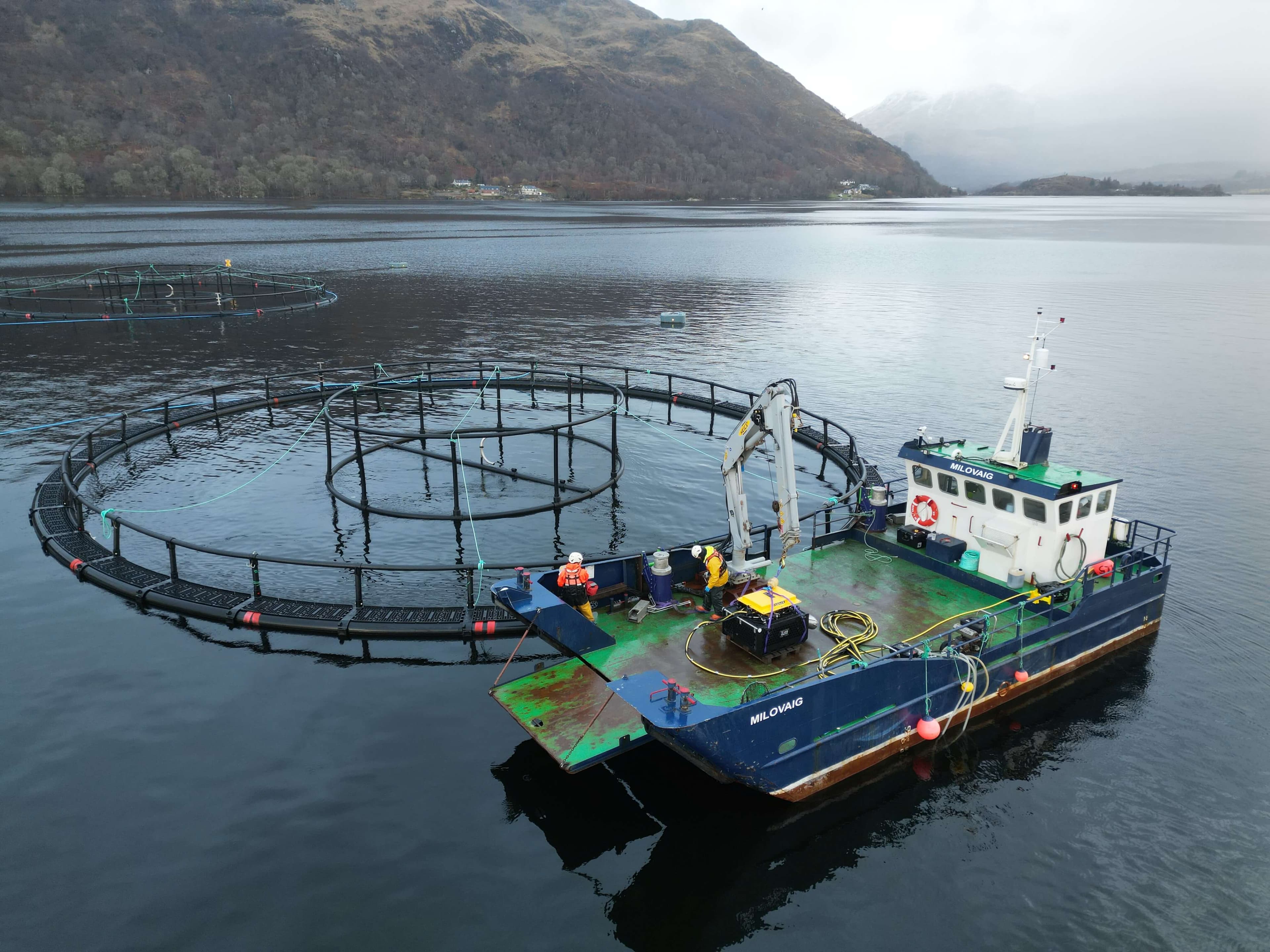
UCO Boat aquaculture fish farm

Who is UCO and What do They Do?

UCO is a UK-based subsea services provider specializing in ROV rental, tooling, and inspection solutions for aquaculture and offshore energy. Founded in 2017, UCO began with aquaculture operations before expanding into energy markets.

The company’s origin is rooted in practical field experience:

Michael Bower headshot 2026

Archer explains, “Mick, our Managing Director, previously worked as a commercial diver in the energy sector. During a job in Shetland, a small island off the north coast of Scotland, he was conducting fish farm diving operations, including mortality removal. While working there, he identified that ROVs were not being used in aquaculture at the time. Recognizing the potential to adapt the ROV systems he had used in oil and gas, he applied that technology to aquaculture.”

This insight led to the development of UCO’s first innovation—a mortality removal system—before expanding into broader ROV deployment and in-house tooling design.

UCO and Deep Trekker Partnership

The relationship between UCO and Deep Trekker began at Aquaculture UK, where Deep Trekker first showcased its products. Impressed by their design, robustness, and ease of deployment, UCO’s management quickly recognized the potential of integrating Deep Trekker ROVs into their fleet.

UCO, specializing in observation-class ROVs, focused on the PIVOT ROV, which offered unmatched versatility for both energy and aquaculture applications. Over time, the partnership evolved into a collaborative relationship built on mutual growth and operational alignment.

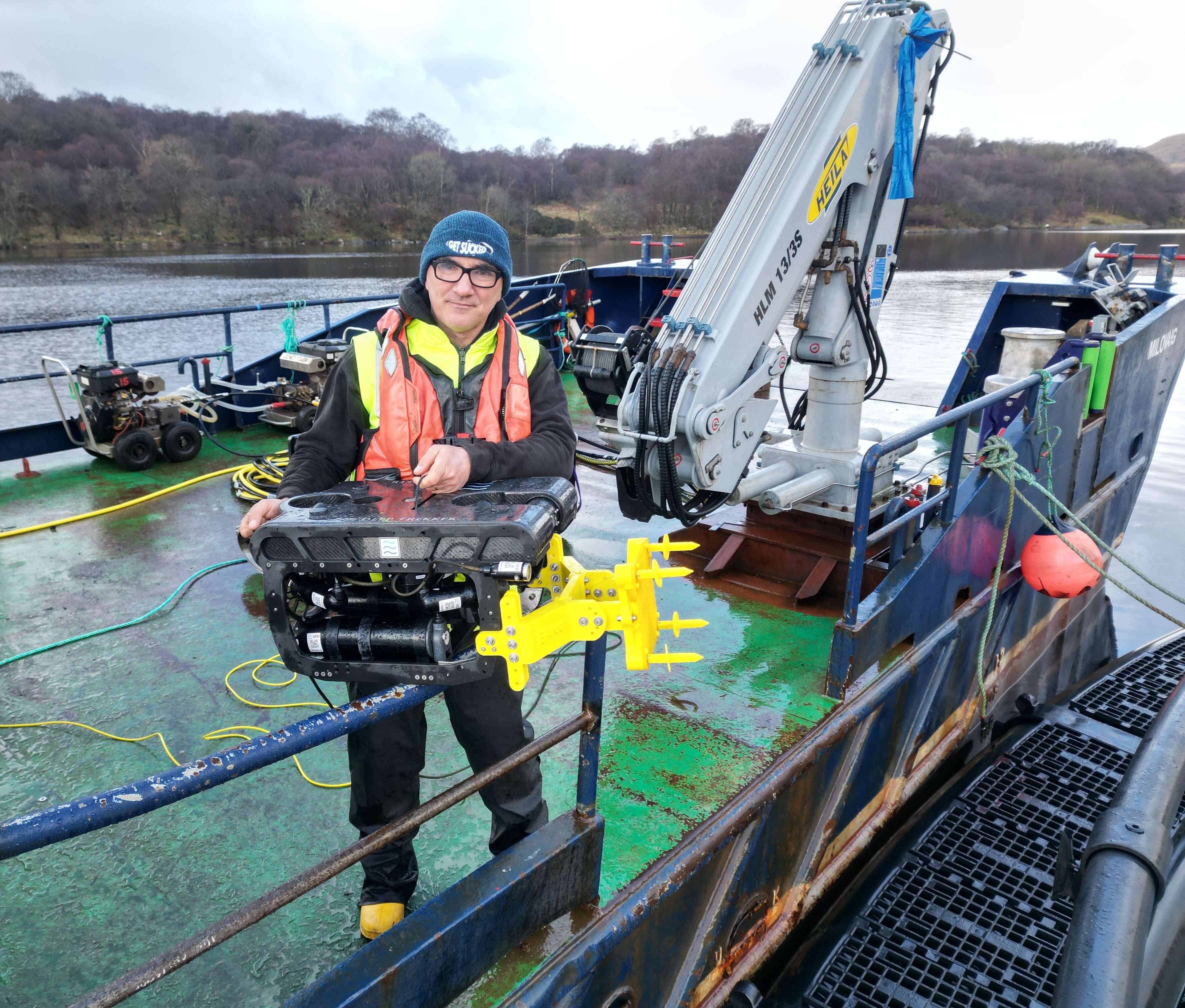
Operator with PIVOT and UCO NetFix

Key factors influencing adoption included:

  • Compact system size
  • Ease of deployment (no crane required)
  • Battery-powered operation
  • Operator accessibility (non-specialists)

Archer notes, “Mick immediately was impressed by the design, the robustness, the ease of use, the mobilisation. In aquaculture, you don’t usually have trained ROV pilots… giving them something really complex to use was going to be a real struggle.”

This addressed a major barrier in aquaculture, though there was reluctance at first to use the robots. "How much is this going to cost? They’re really expensive. Are they difficult to use? Will we actually use it, or will it just break? Overcoming those concerns was a key challenge."

Deep Trekker and UCO Join Forces to to Improve Aquaculture Management

How Are ROVs Transforming UCO’s Operations?

The PIVOT ROV has changed how UCO approaches complex operational challenges. Its compact size, maneuverability, and tooling integration allow access to locations previously restricted to divers, particularly as regulatory and workforce constraints limit diving operations.

“Safety of divers must always come first, but ROVs allow companies to extend time in the water and broaden operational scope,” Archer explains. "Previously, they may have needed a diver for difficult-to-reach areas. Now, they can use these ROVs, and the PIVOT model performs well even in tidal waters. Unlike smaller units that can drift, it remains stable, making tasks like inspecting around propellers much easier."

vessel prop inspection

By developing an in-house range of ROV tooling alongside Deep Trekker, UCO has created a Swiss army knife for subsea tasks, capable of handling inspections, retrievals, and repairs in a variety of environments.

“I had a meeting last night,” Archer recalls, “And the first question they asked when we mentioned deploying the ROV was whether tooling was included. That’s when people started to see the versatility. The tooling came later than our initial use of the ROVs, but early on, it was really about getting the system out to the farm and understanding what it could do. Once we saw its capabilities and strengths, we recognized it could do more than what we had originally been communicating to clients.”

Why are ROVs Becoming Standard in Aquaculture and Offshore Energy?

ROV adoption in aquaculture has shifted from experimental to operational standard over the past decade. UCO has observed a measurable transition in client expectations and usage patterns.

Archer explains, "The benefits of these machines have become clear. They’ve seen what can be achieved with them, and adoption is increasing. ROV technology is gradually becoming standard on farms, whereas previously it was the exception."

This shift is driven by several operational factors:

  • Reduced reliance on divers (aging workforce, stricter safety regulations)
  • Lower operational costs compared to dive teams
  • Increased inspection frequency (nets, seabed, infrastructure)
  • Expanded capabilities through modular tooling

In offshore energy, a similar trend is emerging—moving away from large, work-class systems toward compact, observation-class ROVs with added capability:

Archer notes, “There was a trend toward larger ROVs designed for heavy-duty work and deep operations. However, we’re seeing that trend begin to shift back. The cost of the machines, their operation, and maintenance has driven a market move toward more observation-class ROVs—smaller units that are still capable, powerful, and versatile."
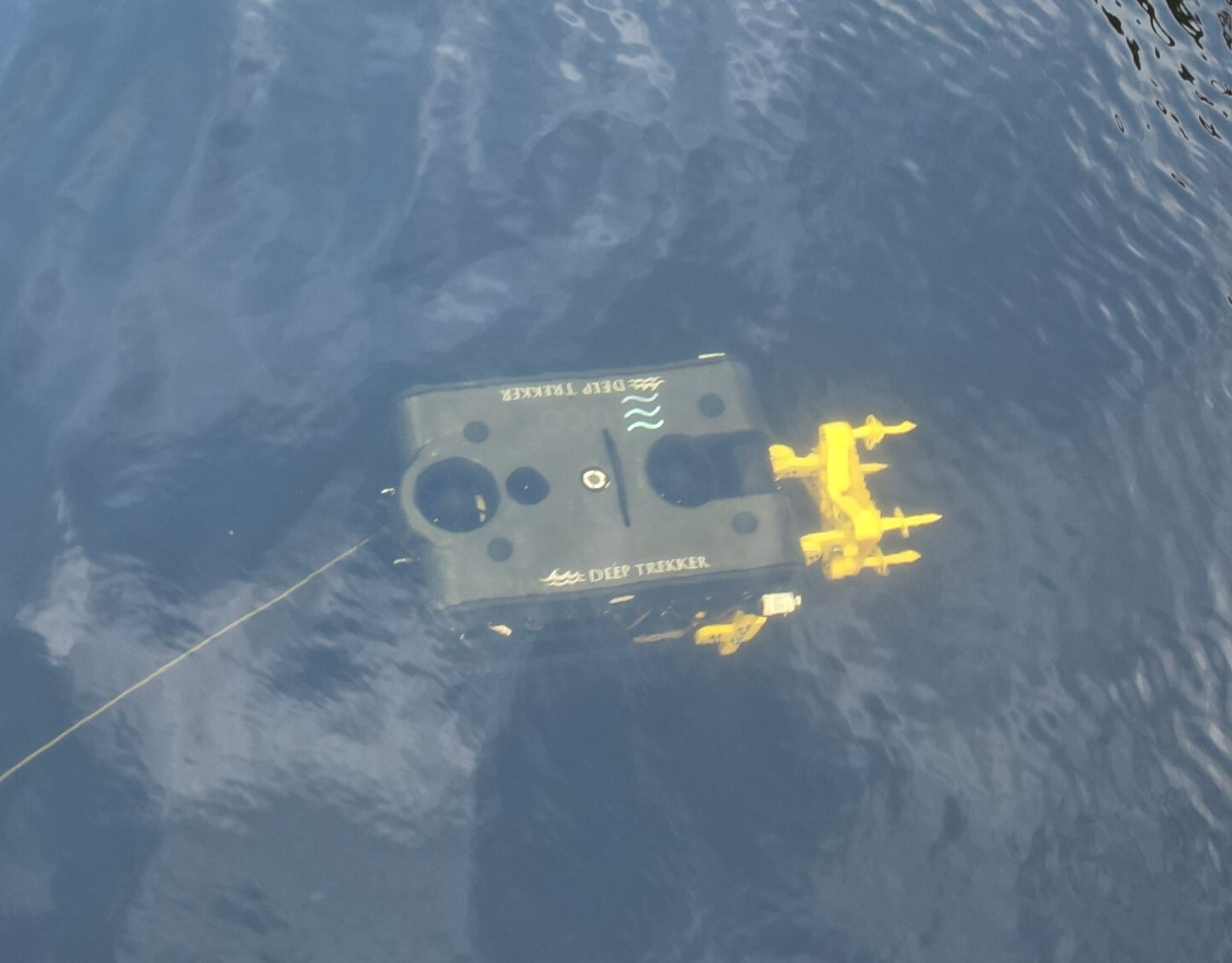
UCO PIVOT with NetFix underwater

ROVs have expanded operational scope across aquaculture sites.

Key improvements include:

Reduced diver dependency

“In the UK, divers are becoming harder to find due to an aging workforce and high costs, and fewer young people are entering the field. Mobilizing divers can also be challenging, especially with weather and remote locations—Scotland, for example, is similar to Canada, with small islands or sites several miles from base. Waiting for divers can mean lost time and downtime, but having an ROV on site allows work to continue immediately."

Faster deployment

"If you’ve got this ROV on site, you can just launch it into the water—it’s a no-brainer. It has also helped with safety, as diving regulations have become very strict, limiting the amount of time divers can spend underwater. Providing divers with an ROV doesn’t mean we don’t need them—they’re still definitely required—but it supports their work and reduces risk."

Increased task flexibility

Archer describes the system as “The Swiss Army knife of the North Sea,” explaining further that, “Adding our tooling range expands its capabilities even further. What might have been used just for inspections and surveys can now cut center lines, patch holes in nets, attach center weights, and use tools like a root looper, carabiner, or knife hook. With simple changes to the attachment head, this one machine can perform 15 to 20 tasks, whereas previously it might only have handled surveys, inspections, or limited sampling—greatly increasing its versatility."


Archer shared an example of the system’s versatility in action:

“When I say there’s no such thing as a typical day, I mean it— last week the team was on site doing a net inspection, and one of the crew dropped his phone overboard. The Deep Trekker was already in the water for the inspection, so they sent it down 50 meters to the seabed, located the phone, used the grabber, and brought it back to the surface.”

American Aquaculture: Navigating Growth and Sustainability

What Operational Challenges Have ROVs Solved?

The adoption of Deep Trekker ROVs addresses multiple operational pain points:

  • Access: Thrusters, propellers, and confined subsea spaces previously inaccessible
  • Weather tolerance: Small, robust ROVs that can operate in rough UK and Irish waters
  • Safety: Reducing diver exposure in hazardous environments
  • Efficiency: Rapid deployment without specialized equipment

pivot-netfix-uco

Aquaculture sites often face logistical and operational challenges, explained Archer. “These farms are often in remote locations, with limited power and small boats, so larger ROVs were previously impractical because of the need for cranes or power sources. Now, the PIVOT can be launched anywhere from a boat or quay. Unlike larger ROVs that require a tethered power source, the PIVOT is battery-operated, making it much easier to deploy in areas with limited power. This has been a game-changer for sites where operating an ROV was previously impossible."

Six- to eight-mile journeys to sites and waiting on divers can cause significant delays. Battery-powered ROVs overcome power constraints, while their compact design allows deployment from small boats that cannot support heavy equipment. Even in murky waters, operators can capture clear data, enabling faster, safer, and more versatile operations. These machines perform tasks that were previously limited by location, equipment, or environmental conditions, expanding capabilities across inspections, surveys, and maintenance.

Archer notes, "In the aquaculture sector, they’re seeing smoother and expanded underwater operations, along with cost savings. These machines can now perform net inspections, seabed surveys, and more. Initially, they viewed the ROVs primarily for mortality work, but now they can inspect cages, take water samples, and monitor stock. We’ve demonstrated these capabilities, and as their understanding grows, demand for the machines is increasing, allowing us to expand our fleet to meet their needs."

How Has Tooling and Customization Enhanced ROV Capabilities?

UCO developed the NetFix Net Patch system and other custom tooling, allowing:

  • Immediate, on-site net repairs
  • Semi-permanent solutions to prevent stock breaches
  • Reusable patches to reduce environmental impact
  • Integration with the PIVOT ROV for operational efficiency

“We never send a PIVOT out without its tooling; it’s essential for maximizing job scope,” Archer explains.

pivot-carbiner-uco

Custom tooling also opened new service opportunities in Norway and other international markets, increasing the PIVOT’s global appeal. UCO is also designing and testing this tooling range for compatibility with the Deep Trekker PHOTON ROV, extending deployment across additional platforms.

  • Core tooling systems include:
  • Net patching system (patches + pegs)
  • Rope cutters (rotational heads)
  • Rope hooks (standard + integrated cutter)
  • Sediment and water samplers
  • Retrieval tools (grabbers, hooks, carabiners)

uco-attachments-pivot

Archer explains how ease of use supported adoption of the ROV systems: “We’ve seen that because none of the tools require mechanical actuation—they’re fully driven by the vehicle itself—they’re straightforward to operate. For example, with the net patch, the operator simply flies the Pivot forward into the net and then reverses to release it. The simplicity of the tools makes them accessible for users without formal pilot or dive training, which has significantly supported adoption.”

This simplicity enables non-specialist operators to expand their capabilities without additional training.

What Are the Measurable Benefits of Using Deep Trekker ROVs?

ROVs have delivered tangible improvements in time efficiency, cost savings, and safety outcomes, including:

  • Faster identification of issues in aquaculture pens or vessel thrusters
  • Reduced need for costly dry-docking inspections
  • Lowered risk exposure for divers
  • Expanded short-term hire services for clients

“ROVs have saved time, reduced costs, and increased safety dramatically compared to traditional diving methods,” Archer adds.

uco-rope-cutter

Archer highlights a high-traffic harbour inspection scenario demonstrating improved inspection speed and data quality during the Tall Ships event: "In the waters around our harbour in Aberdeen, visibility is notoriously poor, and there’s a lot of debris. Last year, during the Tall Ships event, several boats needed their hulls inspected before continuing their journey. We were able to get down there and capture clear images."

Another notable notable example involved a North Harbour, Aberdeen hull inspection where the PIVOT located a rope in the propellers, enabling a swift, targeted diver intervention and avoiding more extensive operations. By sending the images back to the company, the divers could go straight to the problem area, check everything else, and resolve the issue efficiently. This was a great example of handling a challenging, low-visibility environment, and the PIVOT's low-visibility mode was particularly helpful.

How Do ROVs Enable Innovation in Subsea Operations?

The PIVOT ROV, combined with UCO’s tooling, has enabled entirely new applications:

  • Immediate net repair without diver intervention
  • Retrieval of lost equipment from subsea environments
  • Multi-functional surveys on aquaculture farms and offshore energy sites

This flexibility has allowed clients to expand service offerings, increase operational efficiency, and meet growing industry demands without additional infrastructure investments.

pivot-uco-attachment

Archer emphasizes, "Giving divers the ROV to operate means they can still do a few dives but continue working on site by operating the machine, effectively doing a bit of both. This provides much more scope and access for companies that didn’t want the expense of a large, cumbersome machine requiring a crane.”

How Has the Market Responded to ROV Adoption?

Market perception has shifted significantly.

Then:

  • Hesitation
  • Cost concerns
  • Fear of complexity

Now:

  • Direct demand
  • Standardization
  • Cross-sector adoption

"Obviously, in aquaculture, when we first got involved eight years ago, people simply didn’t have ROVs. Moving from that to now where managers are requesting ROVs in meetings represents a significant shift. The UK led the way, Ireland followed, and while the Mediterranean was initially behind, it’s now beginning to adopt the technology as well. The Med and the Baltic are increasingly moving toward ROV-based operations, showing there’s still substantial room for growth in the sector as more regions catch up. Norway remains at the forefront, with Canada and ourselves slightly behind, but overall, the trend is toward wider adoption. What started as nervousness has now shifted to genuine enthusiasm, which is encouraging."


How Has the Partnership Affected UCO’s Market Position & Global Expansion?

The adoption of Deep Trekker ROVs has strengthened UCO’s position in the European and Canadian markets by offering versatile observation-class solutions.

Early milestones include:

  • Bulk purchase of 5 ROVs following initial success
  • Integration of tooling into ROV offerings for increased hire demand
  • Expansion into Canadian aquaculture operations with growing interest in the PIVOT and tooling combo

“I think for us the big leap was probably when we took one machine, then another, and we could really see the success of it. The first time we were like, “Right, now can we have five?” That was a really good moment. Actually, I’ve got this really lovely picture—they look a bit like lobster pots—I’ve got all five stacked.”

Pivot Stack pyramid-uco

The UCO–Deep Trekker partnership is now extending into new regions, including Canada.

“We’ve definitely noticed increased interest in Europe, and in Canada, we’re starting to see similar uptake on farm sites.… particularly in the tooling range.”

The strategy focuses on:

  • Joint market development
  • Complementary product offerings
  • Regional alignment

What’s Next for UCO and Deep Trekker?

UCO aims to continue expanding both fleet and applications:

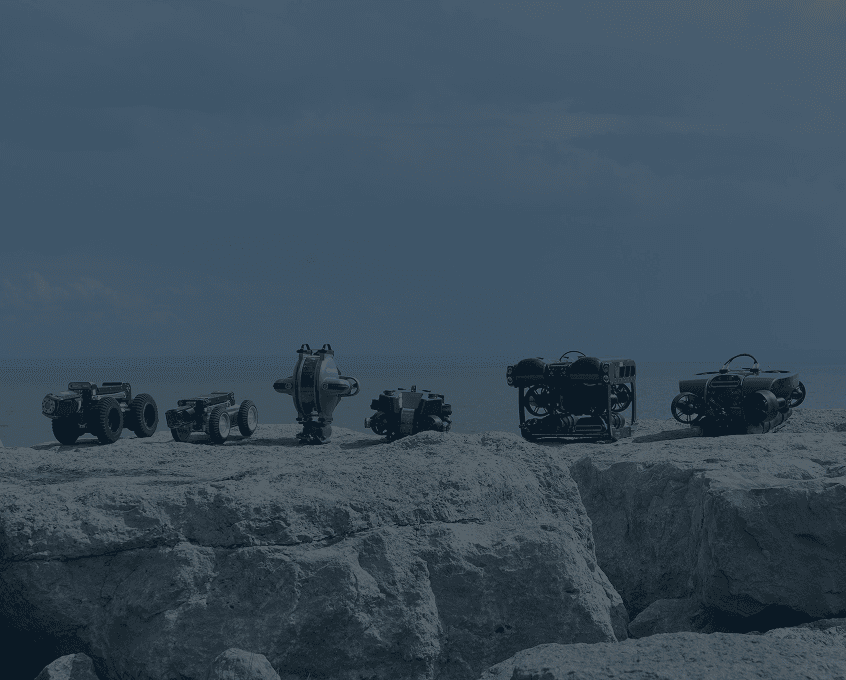
  • Introduce additional ROV models such as the SPECTRA, REVOLUTION, and PHOTON
  • Extend operations into renewables, wind, and offshore energy
  • Increase the number of ROVs in aquaculture and energy sectors
  • Maintain R&D on new tooling and operational techniques

“We will continue to grow our business outward with the PIVOT and tooling at the core of our ROV offerings,” Archer states.

pivot-netfix-uco-black-bkg

Future growth is focused on three main areas: renewable energy, confined-space inspection, and aquaculture expansion. Aberdeen has established itself as a hub for renewable energy, with particular growth expected around the wind sector. In confined-space inspection, emerging applications include wind turbine foundations, where compact ROVs like the PIVOT are ideal for accessing tight areas. Finally, aquaculture remains a key focus, with further integration anticipated in the sector.

Why this Partnership Works

deep-trekker-uco

Matt Palmer, Aqua Cage Fisheries / Mackenzie Normandeau, Deep Trekker / Emily Smith, Deep Trekker / Jamie Smith, UCO

UCO’s partnership with Deep Trekker demonstrates how observation-class ROVs can transform subsea operations. With 15 ROVs now in its fleet, UCO has:

  • Enhanced safety for divers
  • Expanded operational scope across aquaculture, oil & gas, and offshore energy
  • Enabled new services through custom tooling
  • Increased market reach in Europe and Canada

The success of UCO and Deep Trekker is built on aligned priorities:

  • Practical, field-driven innovation
  • Scalable, easy-to-deploy systems
  • Strong collaboration and trust

Archer summarizes the relationship: “We have mutual goals… great collaboration and excellent rapport,” and adds, “That trust in Deep Trekker products and capabilities allows us to take it forward into our markets.”

uco-kate-mackenzie

Kate Archer, UCO / Mackenzie Normandeau, Deep Trekker

With 15 ROVs already deployed and continued expansion planned, the partnership reflects a broader industry shift—toward compact, capable systems that increase access, reduce cost, and expand subsea operations across aquaculture and offshore energy.

For more information on UCO and their services, visit their website.

When you're ready to secure your very own Deep Trekker vehicle, contact us and we'll be happy to provide you with a customized quote tailored precisely to your requirements.

Let us help you find the right ROV for your aquaculture operation

Learn More About Our Products

Looking for Resources on Our ROVs?

See What Our Customers are Saying