Configure Now
Items in Your Cart0
0Items in Your Cart
Start building your packageShop Now
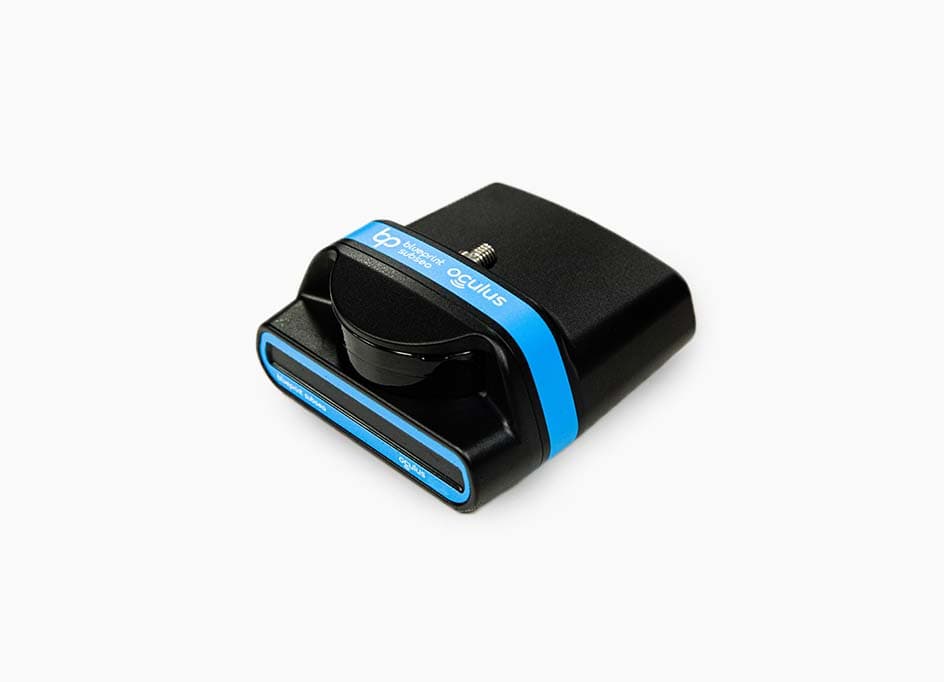
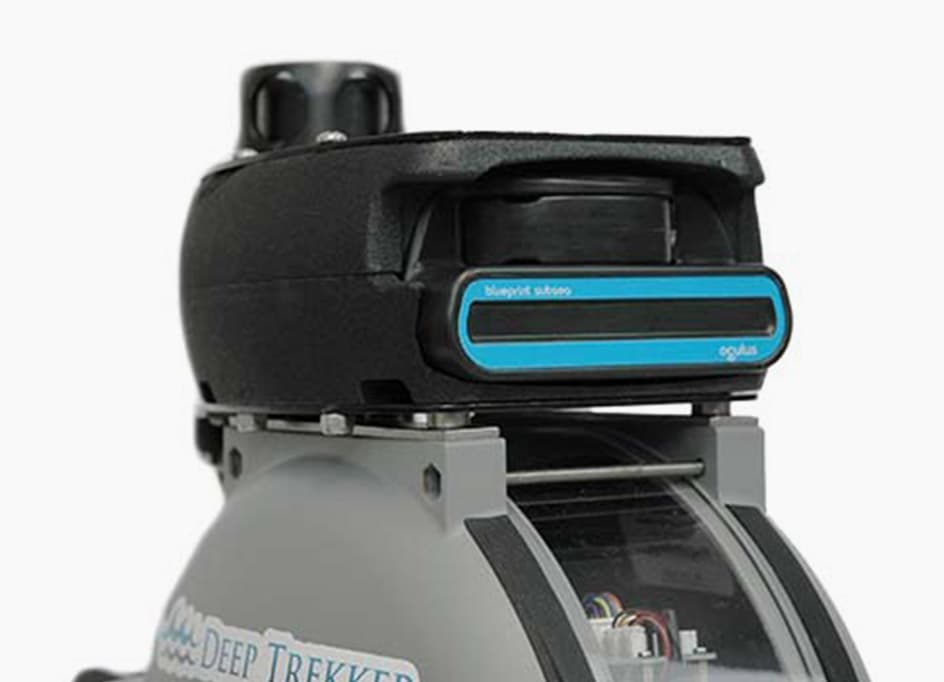
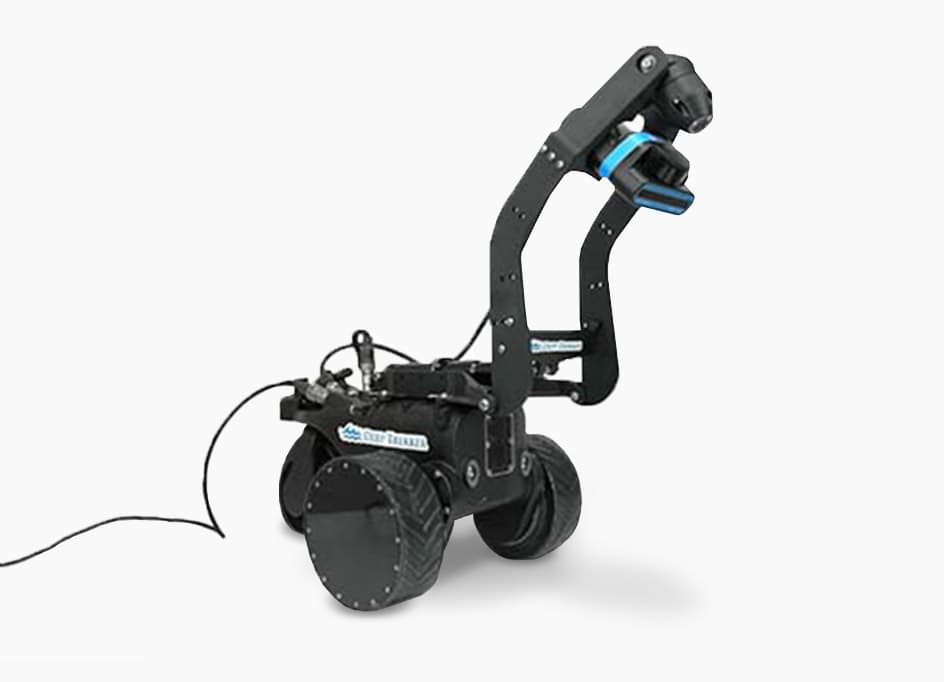
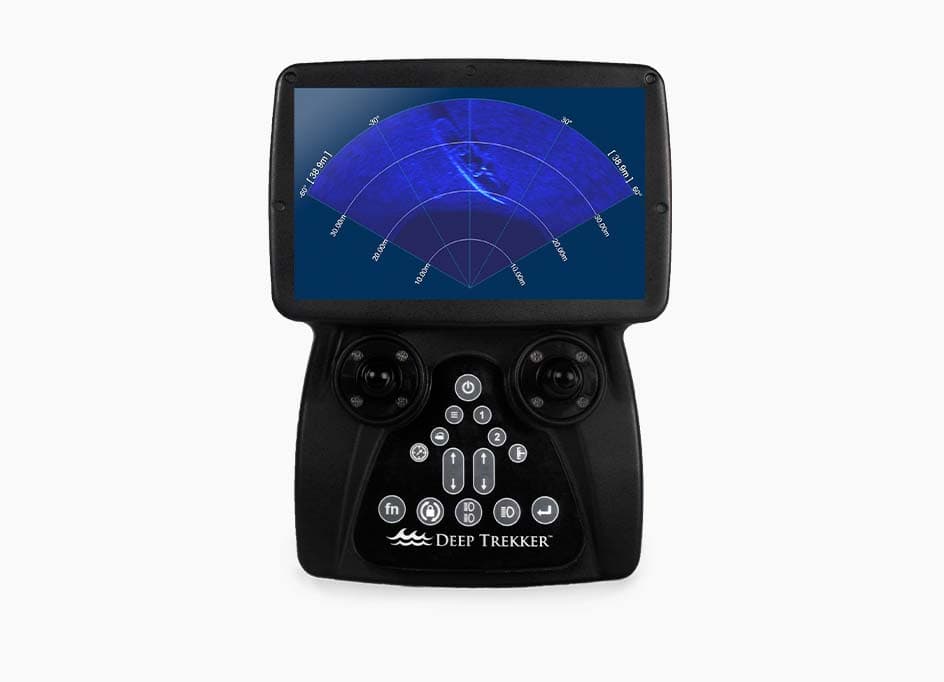
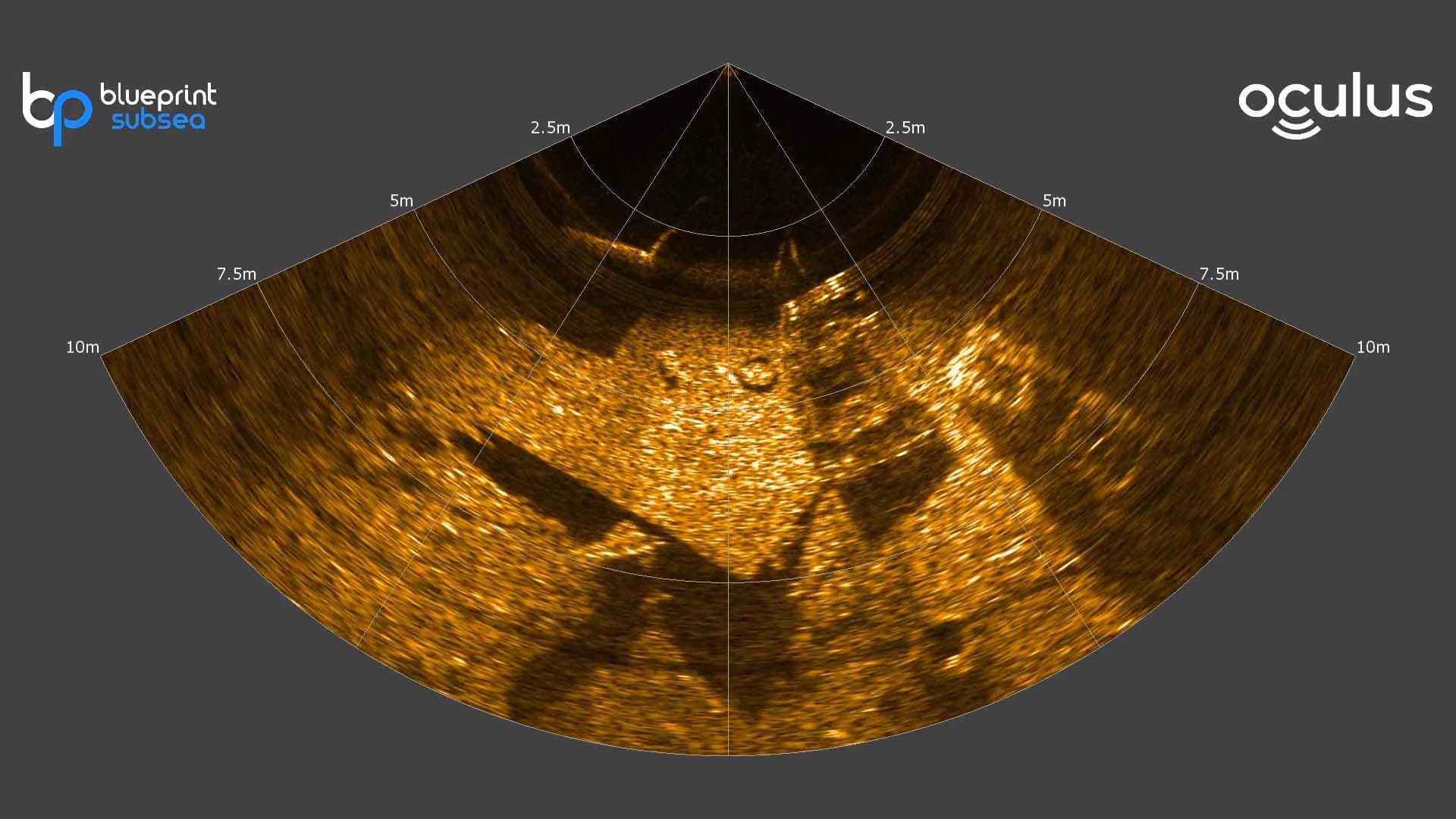

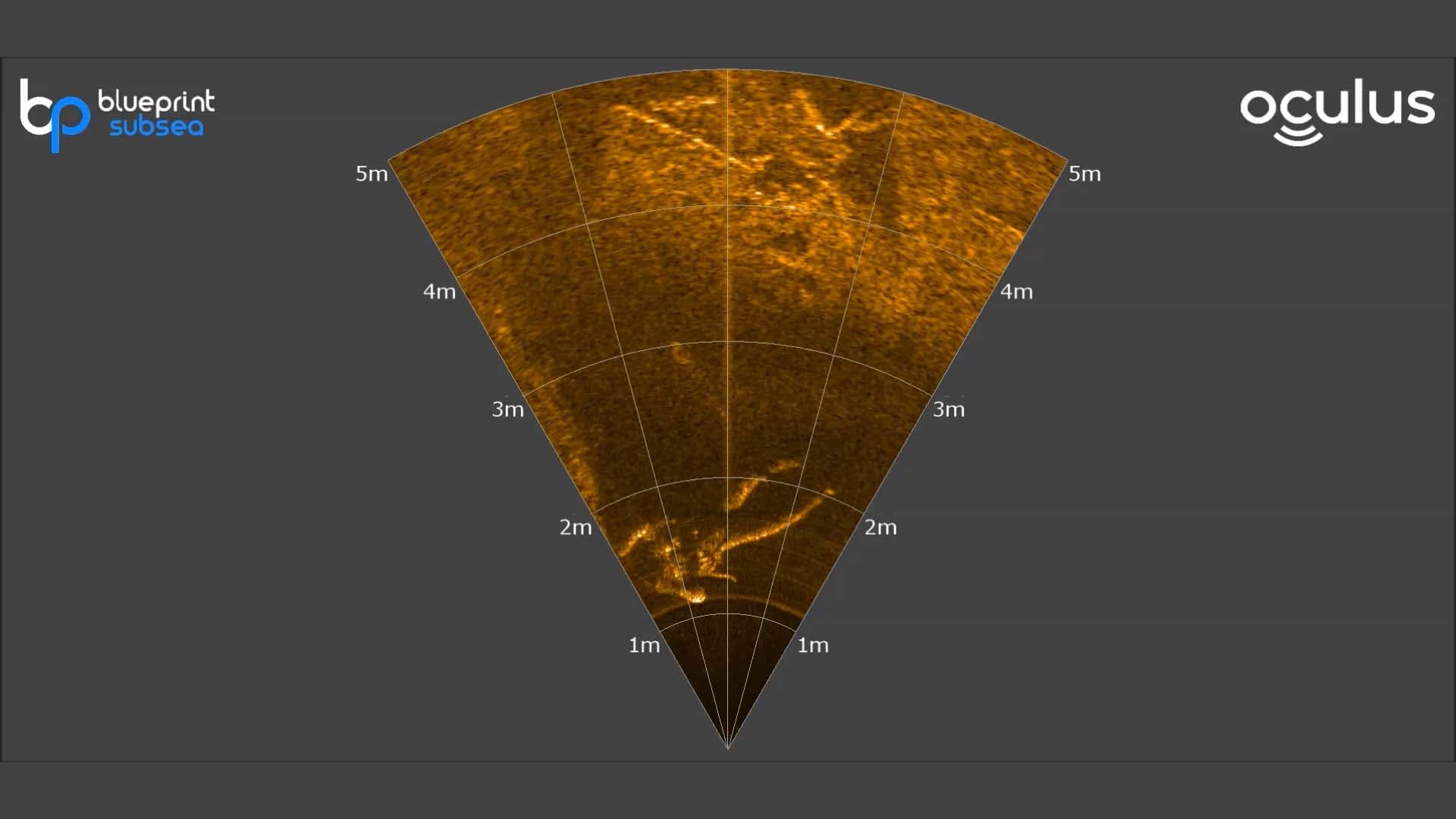
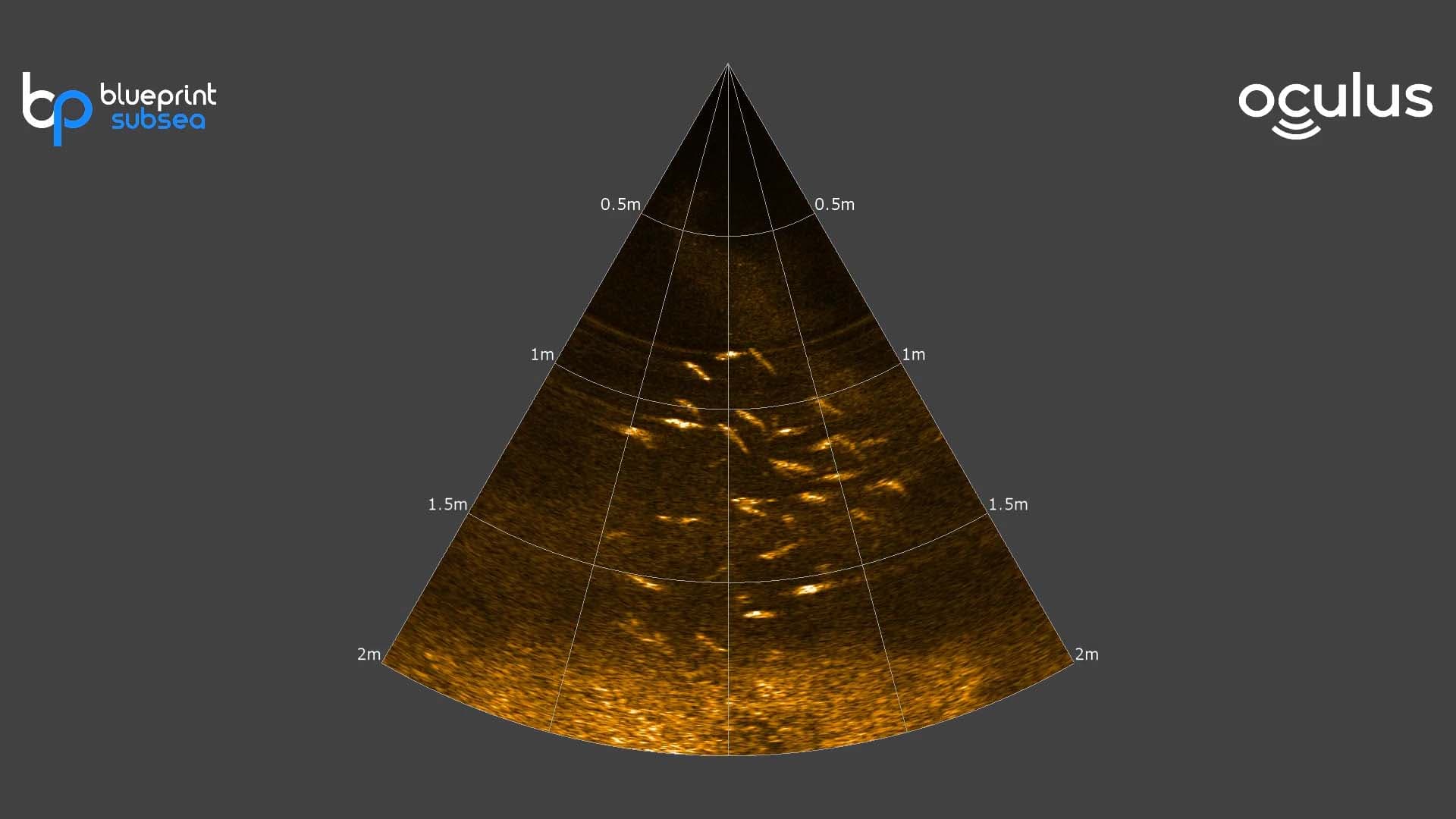
The M1200d multibeam imaging sonar conveniently mounts to our ROVs or Utility Crawlers for effective target identification in turbid waters. The M1200's high operational resolution features a peak frequency of 2.1MHz, an integrated velocimeter for improved accuracy, and a range resolution of 2.5mm for detailed close-range inspections.
Error adding item to quote
Added to quote

Integrated into controller

Dual frequency mode

0.1m to 30m range
Dual frequency shorter range, high-resolution multibeam Imaging Sonar for murky water survey and inspection
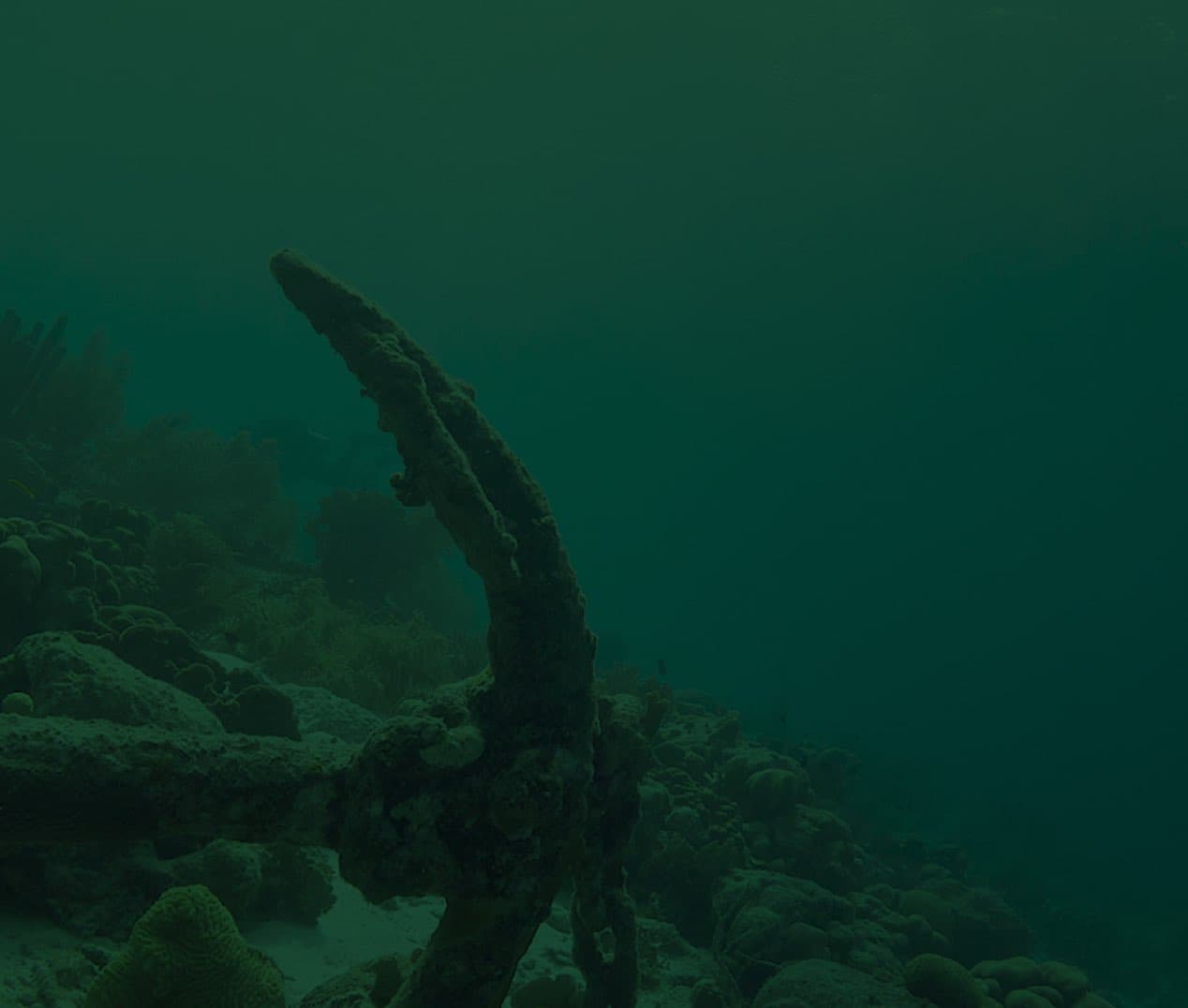
Cameras and diver’s eyes often are unable to effectively search due to poor visibility underwater. An imaging sonar is the best tool to then reidentify the target, since oftentimes side scan data does not produce an exact location (so navigating back to the potential target can be difficult). Once the target is reidentified, the sonar can be used to continue to track the target as you move closer, and when you get close enough, it can even be used to perform the visual verification.
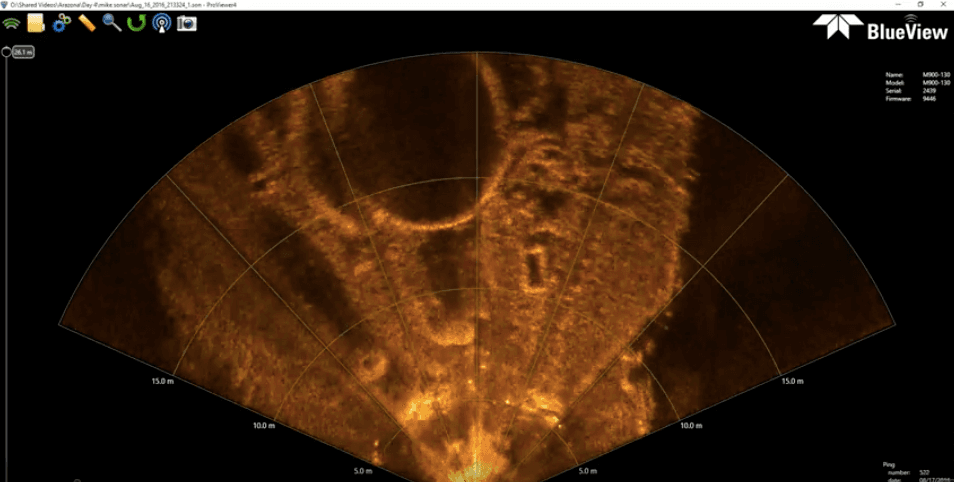
In inspection operations, particularly in murky water applications, it can be difficult to use just a camera to get an understanding of the condition of a structure.
For example, when inspecting the hull of a ship, you want to see if there are any major defects or corrosion, damage to the coating, zincs, anodes, propeller, check the coating condition, check if the hull needs to be cleaned.

We use cookies to collect information about how you interact with our website to improve and customize your experience. To find out more about the cookies we use, see our Privacy Policy.


